The real cost of manual processes isn't limited to the hours spent completing them. It shows up in slower decisions, delayed customer responses, avoidable mistakes, and the additional resources required to keep growing. What seems manageable at one stage can become a high operational cost as the business expands.
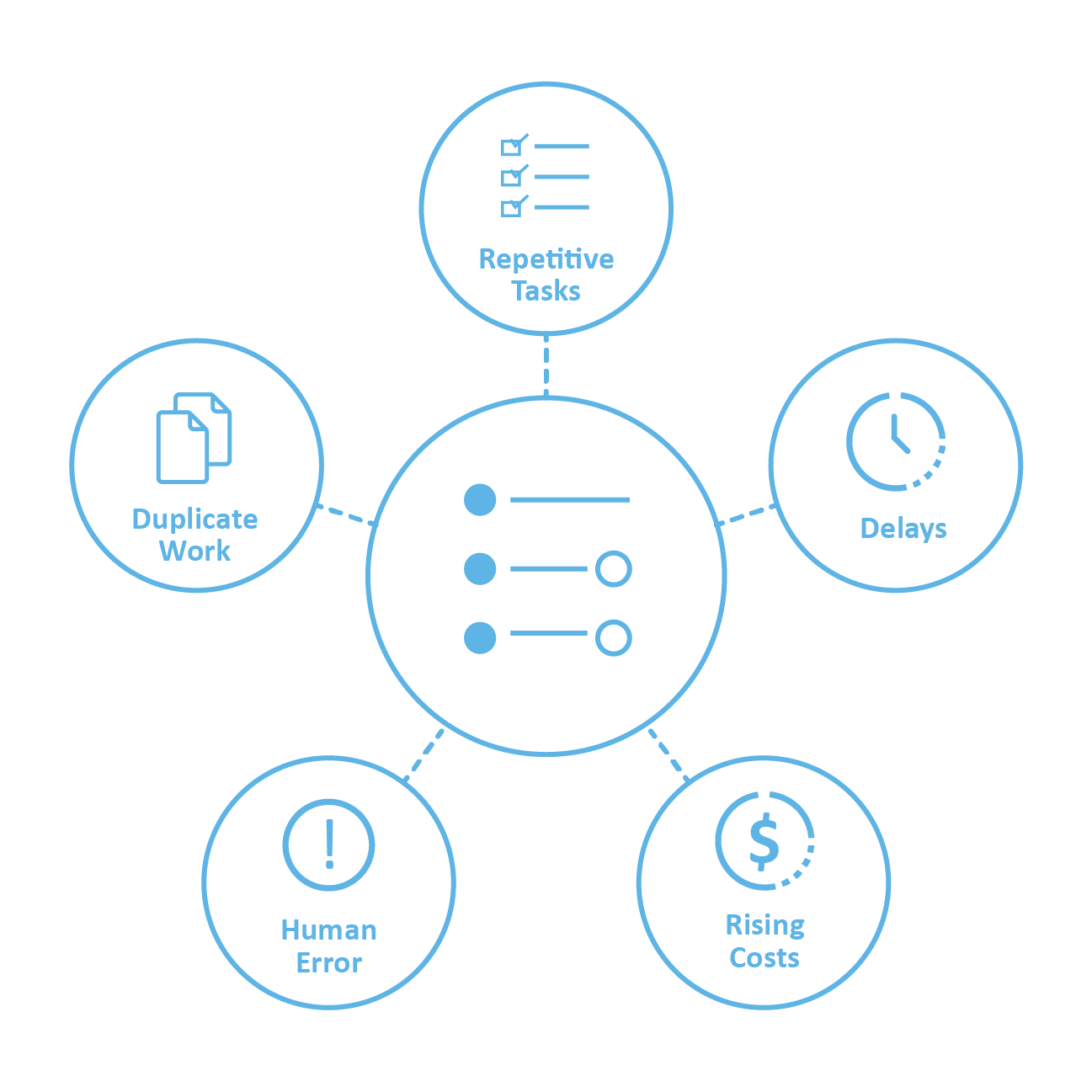
Hours disappear into updating records, moving information between systems, and checking data that should already be available.
The more information is handled manually, the easier it becomes for mistakes, missing updates, and duplicate records to slip through.
When information takes too long to reach the right people, follow-ups are delayed, decisions take longer, and opportunities can be missed.
As workloads increase, businesses often respond by adding more manual effort, making growth harder to sustain over time.
Expansion takes longer when operations cannot keep pace.
Faster growth brings greater demands for speed and consistency.
Processes built for a smaller business struggle under heavier workloads.
Adapting operations takes more time as complexity increases.
Entering new markets or adding services becomes harder to manage.
Operational limitations can eventually hold back the business.
Hours of Support
Clients Served
Projects
Employees
Odoo ERP can connect workflows across departments so information entered during one business process can be used in later steps, reducing unnecessary re-entry, repetitive administration, and manual updates.
Automation and connected data can reduce errors caused by duplicate entry, outdated spreadsheets, missed updates, and inconsistent records. The effectiveness still depends on how well the ERP system is configured and used.
By automating repetitive processes and making information easier to access, ERP Odoo can reduce the time employees spend searching for data, preparing manual reports, reconciling files, and repeating administrative tasks.
Odoo includes reporting and dashboard capabilities across its applications, allowing businesses to review operational information without manually combining data from numerous spreadsheets and disconnected systems.
A properly configured Odoo ERP system can support higher transaction volumes and more complex workflows through automation and standardized processes, helping businesses grow without increasing manual administration at the same rate.